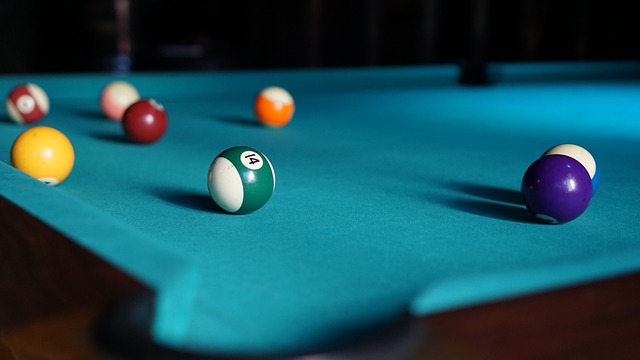
The allure of 19th century ivory billiard balls transports us back to a time when craftsmanship and elegance defined the game. In this article, we explore the history, significance, and impact of these exquisite pieces that shaped the world of pool and billiards. Join us on this fascinating journey!
Exploring the Evolution and Impact of 19th Century Ivory Billiard Balls on Cue Sports
The evolution of cue sports in the 19th century was significantly influenced by the material used for billiard balls. Ivory, sourced primarily from elephant tusks, became the standard for billiard balls during this time. Its unique properties allowed for the perfect balance of weight and durability, which contributed to enhanced gameplay.
The demand for ivory billiard balls surged as cue sports gained popularity across Europe and North America. This material enabled a level of precision and playability that was previously unattainable. Players could enjoy smoother rolls and better control over their shots, drastically changing the dynamics of the game.
However, the reliance on ivory raised ethical and environmental concerns. The decline of elephant populations due to poaching began to spark debates about sustainability and conservation. By the late 19th century, awareness surrounding these issues led to increased scrutiny of the ivory trade, prompting a search for alternative materials.
In response to the controversies surrounding ivory, manufacturers started experimenting with various synthetic materials. These early alternatives included composition balls made from materials like celluloid, which aimed to replicate the performance characteristics of ivory. This not only alleviated concerns regarding animal welfare but also paved the way for technological advancements in cue sports.
The transition away from ivory not only impacted the production of billiard balls but also influenced the game’s accessibility. With more affordable synthetic options becoming available, a wider audience could participate in cue sports. This shift helped popularize billiards, snooker, and pool as mainstream leisure activities.
As cue sports adapted to these changes, players began to develop new techniques and strategies tailored to the evolving equipment. The change in ball composition affected gameplay mechanics, leading to innovative approaches in both amateur and professional circles. The evolution of billiard balls played a crucial role in shaping the competitive landscape of cue sports in the 19th century, laying a foundation for the modern era of billiards, pool, and snooker.
The Manufacturing Process of Ivory Billiard Balls
The production of ivory billiard balls in the 19th century was a meticulous and labor-intensive process. Initially, large tusks from elephants were sourced, as they provided the raw material required for crafting these balls. The first step involved cutting and shaping the ivory into rough spheres, which were then polished to achieve a smooth and shiny finish. Craftsmen would use specialized tools to ensure that each ball was perfectly symmetrical, as even minor imperfections could affect gameplay. The final product was often coated with a layer of wax or oil to enhance its appearance and protect it from damage. This intricate manufacturing process contributed significantly to the high value of ivory billiard balls during that era.
The Impact of Ivory Billiard Balls on Gameplay
Ivory billiard balls had a profound impact on the gameplay in pool, billiards, and snooker. Their density and smooth surface allowed for better control and precision when striking the balls, leading to improved performance by players. Unlike balls made from other materials, ivory balls could be produced in uniform sizes and weights, making them ideal for competitive play. Furthermore, ivory’s ability to absorb moisture meant that the balls maintained their condition for longer periods, reducing wear and tear over time. This enhanced durability and quality made ivory balls highly sought after, especially in competitive settings, further solidifying their importance in the evolution of cue sports.
The Ethical and Environmental Concerns Surrounding Ivory Usage
The use of ivory for billiard balls in the 19th century raises significant ethical and environmental issues that became more pronounced in later years. The harvesting of ivory has led to severe declines in elephant populations, as their tusks are often taken through poaching. As awareness grew about the impact of ivory trade on wildlife, many countries began to impose strict regulations and bans on ivory products. In contemporary contexts, the desire for sustainable practices has led to the search for alternative materials that mimic the qualities of ivory while being environmentally friendly. This shift has sparked discussions on the balance between tradition and conservation, influencing both manufacturers and players to reconsider the materials used in cue sports.
FAQ
What were the advantages of using ivory billiard balls in the 19th century?
In the 19th century, the use of ivory billiard balls offered several advantages. They provided a consistent bounce and smooth surface, enhancing gameplay quality. Additionally, ivory had a desirable aesthetic appeal, contributing to the elegance of billiard tables. However, the reliance on ivory led to ethical concerns and eventual alternatives as synthetic materials became popular.
How did the use of ivory billiard balls affect the game of pool, billiards, and snooker during that period?
The use of ivory billiard balls during the 19th century significantly impacted the game of pool, billiards, and snooker by providing a consistent playing surface with superior durability and performance. Their weight and smoothness allowed for more precise shots and improved gameplay. However, as ivory became scarce and unethical due to animal rights concerns, players transitioned to synthesized materials, which led to innovations in ball design and enhanced playability.
What were the environmental and ethical implications of sourcing ivory for billiard balls in the 19th century?
In the 19th century, sourcing ivory for billiard balls had significant environmental and ethical implications. The demand for ivory led to overexploitation of elephant populations, contributing to their decline and threatening biodiversity. Ethically, the ivory trade was linked to inhumane practices, including poaching and violent conflicts, raising serious moral questions about the impact on wildlife and local communities. As awareness grew, the billiards industry began to seek sustainable alternatives to reduce harm to both elephants and ecosystems.
In conclusion, the 19th century marked a significant turning point in the evolution of billiard balls, particularly with the widespread use of ivory. This material not only enhanced the performance and quality of the game but also became a symbol of luxury. However, as awareness of the ethical implications of ivory sourcing grew, the billiards community transitioned towards more sustainable alternatives. Today, we can appreciate the innovations in billiard balls that honor the game’s rich history while promoting environmental responsibility. Ultimately, the legacy of ivory in billiards serves as a reminder of the balance between tradition and progress in the world of pool, billiard, and snooker.