Welcome to Pool and Billiard Cues, where we dive into the fascinating world of billiards! In this article, we will explore how many balls are on a pool table and understand the different games played with them. Let’s break down the essentials for every player!
Understanding the Number of Balls in Pool, Billiards, and Snooker: A Comprehensive Guide
Understanding the Number of Balls in Pool, Billiards, and Snooker: A Comprehensive Guide
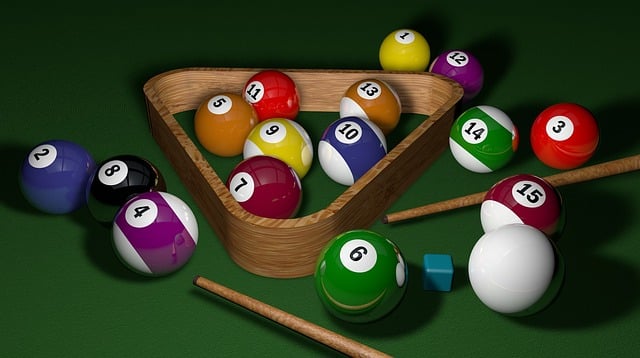
In the world of cue sports, the number of balls used can significantly impact the game’s rules and gameplay. Pool typically uses 16 balls: one white cue ball and 15 object balls. The object balls are divided into two categories, solids and stripes, each containing seven balls along with the 8-ball and the cue ball.
Billiards, on the other hand, traditionally involves three balls: one white cue ball, one yellow cue ball, and a red object ball. This setup is primarily used in games like straight rail, where players score points by hitting the object ball with the cue ball.
Snooker employs a more complex setup with 22 balls: one white cue ball, 15 red balls, and six colored balls (yellow, green, brown, blue, pink, and black). Each colored ball has its own point value, which influences strategy and scoring.
It’s essential to understand these distinctions not just for gameplay but also for the specific skills required in each sport. The type of game you choose often dictates the rules concerning ball interaction, scoring, and player strategy. Understanding these numbers provides insights into the different dynamics of pool, billiards, and snooker, enhancing your overall appreciation of cue sports.
The Standard Number of Balls in Different Cue Sports
In the world of cue sports, the number of balls used varies significantly between different games. In pool, the most common formats use either 15 balls or 9 balls. The traditional 8-ball game employs a full rack of 15 object balls, including one black 8-ball. Conversely, 9-ball features only the 9 numbered balls from one to nine.
In billiards, the game is often played with three balls: a white cue ball, a red object ball, and a yellow object ball. This game emphasizes skillful shot-making and strategy rather than a larger set of balls.
In snooker, a more complex game, there are 22 balls in total: 15 red balls, which each score one point, six colored balls with varying point values, and one white cue ball. The distinctive scoring system and the number of balls make snooker a unique challenge compared to both pool and billiards.
The Importance of Ball Configuration in Pool Games
The way balls are arranged on the table can significantly affect the game’s strategy and outcome. In 8-ball, the balls are racked in a triangular formation, with the 8-ball in the center. This setup initiates the game and determines the order in which players will take shots based on whether they choose solids or stripes.
In 9-ball, the balls are racked in a diamond shape, with the 1-ball at the front and the 9-ball in the center. This specific configuration not only dictates the first shot but also strategically influences how subsequent shots are played, as players must hit the lowest-numbered ball first.
Properly racking the balls ensures a fair start to the game. An incorrectly racked set can lead to unintentional advantages or disadvantages that might affect the match’s integrity.
Understanding Ball Types and Their Roles in Each Game
Each type of cue sport features its own specific balls, designed for particular functions within the game. In pool, the balls are typically made of resin, providing durability and a consistent playing experience. They come in various designs and colors, with the most notable being the solid and striped balls used in 8-ball.
In billiards, the three balls differ in color and purpose: the cue ball is usually white, while the two object balls are red and yellow. The player scores points depending on their success in hitting specific balls in sequential play.
For snooker, the balls are more diverse; they are distinguished not just by color but also by scoring value. The reds are worth one point, while the other colored balls have values ranging from two (yellow) to seven (black). This variety creates complex gameplay and strategic decision-making, as players must balance potting high-value balls while managing the position of the cue ball judiciously.
FAQ
How many balls are used in a standard pool game?
In a standard pool game, 15 balls are used, along with the cue ball for a total of 16 balls.
What is the total number of balls on a billiard table for different variations of the game?
In billiards, the number of balls varies by game variation:
- Pool: Typically, there are 16 balls (15 object balls and 1 cue ball).
- Snooker: There are 22 balls (15 reds, 6 colored balls, and 1 cue ball).
- Carom billiards: Generally played with 3 balls (2 object balls and 1 cue ball).
Different games, different counts!
How many balls are there in a snooker game compared to pool and billiards?
In a snooker game, there are 22 balls: 15 red balls, 6 colored balls, and 1 white cue ball. In contrast, standard pool games typically use 16 balls (7 stripes, 7 solids, and 1 cue ball), while billiards usually involves 3 balls (one white cue ball, one yellow cue ball, and one red object ball).
In conclusion, understanding how many balls are on a pool table is fundamental for anyone looking to delve into the world of billiards and snooker. The game variations dictate the number and type of balls used, influencing both strategy and gameplay. Whether you’re playing with the 15 balls in eight-ball or the 22 balls in snooker, knowing these specifics enriches your playing experience. As you continue to explore the nuances of these games, keep in mind that mastery comes with practice and a deeper appreciation for the rules and equipment involved. Embrace the challenge, and enjoy every moment on the table!