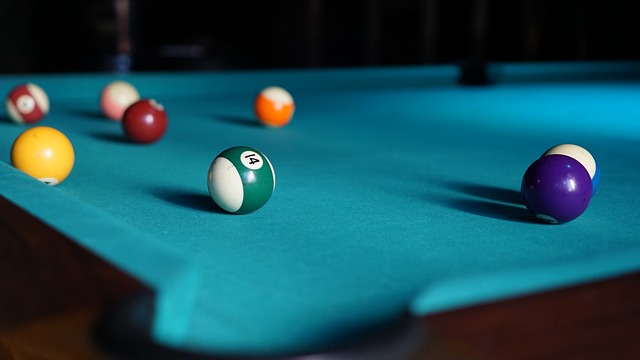
Welcome to Pool and Billiard Cues, where we dive into the fascinating world of cue sports! In this article, we explore the importance of pool table cushions. Discover how these essential components affect gameplay, cushion response, and shot accuracy. Join us as we uncover the secrets behind achieving optimal performance on the pool table.
Understanding Pool Table Cushions: A Key Element in Pool, Billiard, and Snooker
Understanding Pool Table Cushions: A Key Element in Pool, Billiard, and Snooker
When it comes to the world of cue sports such as pool, billiards, and snooker, there are several essential components that contribute to the overall playing experience. One often overlooked but crucial element is the pool table cushions. These cushions, also known as rails or bumpers, play a significant role in the game and can greatly influence the performance of players.
The primary function of pool table cushions is to provide the necessary rebound for the balls. They help control the speed, angle, and trajectory of the balls as they come into contact with the rail. The quality and condition of the cushions directly impact the accuracy and consistency of shots, making them an essential consideration for serious players.
Pool table cushions are typically made of rubber, specifically a type called K-66 rubber. This specific type of rubber is known for its excellent elasticity and durability, allowing for optimal ball rebound. Other rubber compounds may be used, but K-66 is widely recognized as the industry standard.
Over time, pool table cushions can wear out and lose their bounce. It is crucial to regularly maintain and replace them when necessary to ensure optimal gameplay. Signs of worn-out cushions include decreased ball response, inconsistent rebounds, and visible deterioration.
To properly maintain pool table cushions, they should be cleaned regularly to remove dirt and chalk buildup. Additionally, cushions should be checked for any signs of damage or wear, such as cracks or loose spots. If repairs or replacements are needed, it is best to consult a professional to ensure the correct installation and alignment.
In conclusion, understanding the importance of pool table cushions is vital for anyone involved in cue sports such as pool, billiards, and snooker. These cushions play a significant role in the game’s dynamics, affecting ball rebound and overall gameplay. Regular maintenance and timely replacement of worn-out cushions are essential to maintaining the integrity of the playing surface and ensuring an enjoyable experience for players.
Tags: pool table cushions, rails, bumpers, pool, billiard, snooker, rubber, K-66 rubber, rebound, gameplay, maintenance, replacement
Snooker Aiming Secrets Revealed How To Stop Missing
Snooker Aiming Cushion Shots The Snooker Secrets
Types of Pool Table Cushions
The different types of pool table cushions determine the overall performance and gameplay experience. Understanding the various cushion options available can help players make informed decisions when it comes to selecting the right table for their needs.
Rubber Cushions: The Standard Choice
Rubber cushions are the most commonly used type of cushions in pool tables. They are typically made of natural gum rubber or synthetic materials like vulcanized rubber. Rubber cushions provide consistent response, optimal ball rebound, and durability, making them a popular choice among professional and recreational players alike.
Types of Rubber Cushions
There are different types of rubber cushions available in the market, each offering unique characteristics and performance attributes.
1. Hard Cushions: Hard rubber cushions provide a faster game with less cushion compression, resulting in higher ball speeds and longer rebounds. They are commonly found in commercial pool halls or tournament tables where speed and responsiveness are essential.
2. Soft Cushions: Soft rubber cushions offer a slower and more controlled game as they compress more upon impact. This results in a reduced ball speed and shorter rebounds. Soft cushions are often preferred by players who prioritize accuracy and finesse over speed.
3. Medium Cushions: Medium rubber cushions strike a balance between hard and soft cushions, offering a moderate level of speed and responsiveness. They are a versatile choice suitable for both competitive play and casual games.
It’s important to consider personal playing style and preference when choosing between the different types of rubber cushions for a pool table.
FAQ
Why are the pool table cushions important in a game of billiards?
The pool table cushions are important in a game of billiards because they affect the rebound angle of the balls. They provide bounce and cushioning to the shots, allowing players to execute various shots such as bank shots and carom shots. Without properly maintained cushions, the game would lack precision and consistency in ball movement.
What are the common materials used for pool table cushions?
The common materials used for pool table cushions are rubber and K-66 profile rubber cushions.
How often should the pool table cushions be replaced?
The pool table cushions should be replaced every 5 to 10 years to ensure optimal playability and bounce.
In conclusion, the pool table cushion is a critical component in the game of Pool, Billiards, and Snooker. Its quality and condition can greatly affect the gameplay, as it determines the rebound and accuracy of shots. Players should pay attention to maintenance, regularly inspecting and replacing worn-out cushions to ensure optimal performance. Additionally, selecting cushions with the right firmness and responsiveness is essential for achieving desired playing characteristics. By understanding the importance and care of the pool table cushion, players can elevate their skill and enjoyment of these popular cue sports.