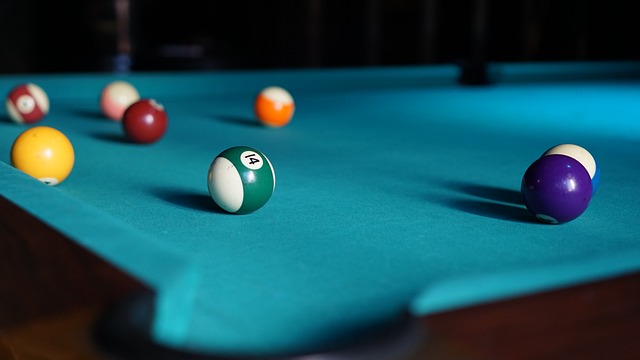
Welcome to Pool and Billiard Cues. In this article, we will explore what miniature pool balls are made of. Understanding the materials used can enhance your appreciation for these fun-sized spheres that bring a unique twist to traditional games. Let’s dive into the fascinating world of miniature pool balls!
Understanding the Materials: What Are Miniature Pool Balls Made Of?
Miniature pool balls, often used in smaller tables or for decorative purposes, are made from various materials that affect their performance and appearance. The most common material for traditional pool balls is phenolic resin, known for its durability and excellent playing characteristics. This high-quality plastic withstands impacts well and maintains its shape over time.
Some miniature balls may also be made from polyester, which is a less expensive alternative. While polyester balls can be suitable for casual play, they typically do not offer the same level of performance or longevity as phenolic resin balls.
In addition to these main materials, some manufacturers add additives to enhance the finish and color of the balls. This can improve visibility on the table and give the balls a shiny appearance.
When it comes to sizing, miniature pool balls are often scaled down versions of standard balls, usually measuring around 1.5 inches in diameter compared to the traditional 2.25 inches. Despite their size, the quality of the materials used remains crucial for achieving a satisfactory playing experience.
Finally, it’s important to consider the weight of these balls, as it can affect how they behave on the table. Miniature balls are typically lighter than standard ones, which can alter gameplay dynamics.
Materials Commonly Used in Miniature Pool Balls
Miniature pool balls are typically made from a variety of materials, which can significantly affect their performance and durability. The most common materials include phenolic resin, polyester, and plastic.
Phenolic resin is favored for its density and high durability, making it an excellent choice for both full-size and miniature balls. This material ensures that the balls are less prone to scratches and maintain their aesthetic appeal over time. Many professional miniature pool sets utilize phenolic resin due to its similarity in behavior to traditional billiard balls.
Polyester balls, on the other hand, are often used for more affordable mini pool sets. They are lighter than phenolic resin balls and can be less durable, but they are widely available and still provide decent gameplay for casual players. Polyester’s vibrant colors and easy manufacturing process make it a popular choice for novelty or toy sets.
Plastic balls are generally the least expensive option and are primarily used in very low-end, toy versions of miniature pool games. While they are lightweight and come in various designs, they do not perform as well as resin balls and are more susceptible to wear and tear.
The Impact of Material on Gameplay and Feel
The material used in miniature pool balls has a noteworthy impact on the overall gameplay experience. For players accustomed to traditional billiards, the weight and feel of the balls can significantly influence their performance.
When playing with phenolic resin balls, players often note a closer resemblance to full-sized balls in terms of weight distribution and reaction on the table. This material provides a consistent bounce and roll, which is essential for precise shots.
In contrast, polyester and plastic balls may lead to a different playing experience. Due to their lighter nature, these balls can react differently to shots, causing unintended spins or trajectories. This inconsistency can challenge players who are trying to practice their skills or emulate the intricacies of professional play.
Ultimately, the choice of material not only affects gameplay but also influences how players perceive the game itself. Experienced players may prefer resin options, while newcomers or casual players might enjoy the affordability and novelty of polyester or plastic balls.
Choosing the Right Miniature Pool Balls for Your Needs
Selecting the right miniature pool balls depends on several factors, including your skill level, budget, and intended use.
For serious enthusiasts or competitive players, investing in high-quality phenolic resin balls is advisable. These balls offer superior performance and longevity, which can be crucial for regular practice and tournaments.
If you’re looking for a fun way to enjoy the game casually or introduce it to young children, polyester or plastic balls may be sufficient. They are typically more affordable and can provide a good introduction to the game’s mechanics without breaking the bank.
Another consideration is the type of miniature pool table you have. Matching the balls’ size and weight to the table’s dimensions is critical for achieving the best playing experience. Always check for compatibility to avoid any discrepancies during gameplay.
By understanding the different materials and their impacts, you can make an informed choice that enhances your overall enjoyment of pool, billiards, or snooker, whether playing competitively or recreationally.
FAQ
What materials are commonly used to make miniature pool balls?
Miniature pool balls are commonly made from acrylic, which offers durability and a smooth finish. Other materials include phenolic resin for a more traditional feel, and sometimes plastic for cost-effective options.
How do the materials of miniature pool balls affect their performance?
The materials of miniature pool balls significantly influence their performance. High-quality materials, such as resin or phenolic compounds, provide better durability and consistent bounce. Lighter materials may lead to less accurate shots and increased wear over time. Additionally, surface texture affects grip and control, impacting the player’s ability to execute spins and effects effectively.
Are miniature pool balls made from the same materials as standard pool balls?
No, miniature pool balls are typically made from different materials compared to standard pool balls. While standard balls are often made from phenolic resin for durability and consistent play, miniature balls may be made from plastic or other lightweight materials, which can affect their performance and feel during play.
In conclusion, understanding the composition of miniature pool balls is essential for both collectors and enthusiasts within the realm of pool, billiard, and snooker. These smaller versions of traditional balls often utilize materials like resin and plastic, which contribute to their durability and aesthetic appeal. By recognizing the importance of material choice, players can appreciate the craftsmanship that goes into these miniature versions, ensuring they are not just toys but also functional replicas of their larger counterparts. As you engage with the miniature pool world, remember that the quality of the balls can significantly affect your game experience and overall enjoyment.