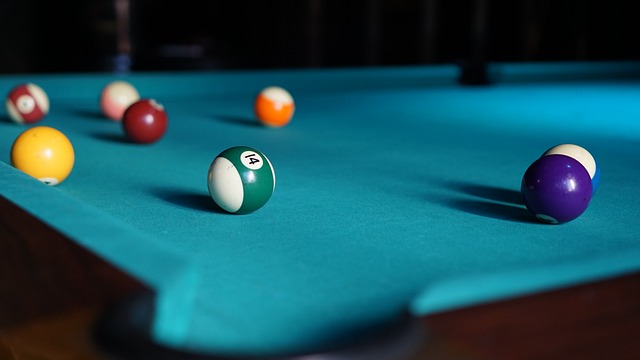
Welcome to Pool and Billiard Cues! In this article, we’ll explore the fascinating world of pool table ball colors. Understanding the vibrant hues of these balls not only enhances your gameplay but also adds a touch of artistry to this classic sport. Let’s dive in!
The Vibrant Palette: Understanding the Colors of Pool, Billiard, and Snooker Balls
The world of pool, billiard, and snooker is not just about skill and technique; it’s also a canvas painted with vibrant colors that carry significance and tradition. Each ball has its own specific color, which plays an essential role in gameplay and identifying the type of game being played.
In pool, the typical set of balls consists of 15 colored balls and one white cue ball. The colors represent different point values and strategies. For example, in eight-ball, the balls are divided into solids (numbers 1-7) and stripes (numbers 9-15). Understanding these groupings not only helps players strategize but also adds to the visual excitement of the game.
Moving to billiards, the traditional table often features a different arrangement of balls. The three-ball setup in carom billiards includes two white balls and one red ball. This simplicity contrasts with the colorful chaos of pool, emphasizing precision and control over multiple colored targets.
Snooker, on the other hand, employs a more complex system. This game features 21 balls: 15 red balls, 6 colored balls, and one white cue ball. The colors of the balls (yellow, green, brown, blue, pink, and black) correspond to different point values, making the color choices critical to gameplay tactics.
Furthermore, the psychological effects of colors in these games can enhance or hinder player performance. For instance, the bright colors of the balls can evoke excitement and energy, while darker tones might induce a more contemplative atmosphere. Players often find themselves responding not just to the game’s dynamics but also to its vivid palette.
Overall, the colors in pool, billiard, and snooker serve as more than mere decoration. They embody the essence of the game and influence every aspect, from strategy to player psychology, making them an integral part of the sporting experience.
“`html
The Standard Color Scheme of Pool Balls
The traditional set of pool balls consists of 16 balls: one cue ball and 15 object balls. The object balls are split into two main categories: solids and stripes. The solids include numbers 1 through 7, which feature a solid color with a distinctive number in white. The colors for these balls are as follows:
- 1 – Yellow
- 2 – Blue
- 3 – Red
- 4 – Purple
- 5 – Orange
- 6 – Green
- 7 – Maroon
The striped balls, numbered 9 through 15, are designed with a white stripe and the same solid colors associated with their solid counterparts:
- 9 – Yellow stripe
- 10 – Blue stripe
- 11 – Red stripe
- 12 – Purple stripe
- 13 – Orange stripe
- 14 – Green stripe
- 15 – Maroon stripe
Lastly, the cue ball is typically white, allowing it to stand out against the colored object balls.
The Significance of Colors in Billiards Games
The colors of pool balls are not just for aesthetic appeal; they serve important functions in gameplay. The distinction between solids and stripes enables players to identify their balls quickly and strategize their shots accordingly. For instance, when playing games like 8-ball, an understanding of whether you are playing solids or stripes helps dictate your approach and tactics. Additionally, in games like 9-ball, where only the balls numbered 1 through 9 are used, the color coding assists players in recognizing the specific objectives they must aim for on the table.
Variations in Ball Colors Across Different Games
While the standard colors of pool balls are widely recognized, variations do exist in different billiard games. For example, snooker features a unique set of balls, consisting of 22 balls with six red balls, one yellow, one green, one brown, one blue, one pink, and one black. Each color has a different point value, which plays a crucial role in how the game is scored. Similarly, the European-style pool balls can have different shades and patterns compared to American-style balls, reflecting regional preferences and regulations in competitions. Understanding these variations can enhance a player’s appreciation for the game’s diversity and strategy involved across different formats.
“`
FAQ
What are the standard colors of pool table balls in a game of eight-ball?
In a game of eight-ball, the standard colors of pool table balls are divided into two sets: solid balls numbered 1-7, which are typically red, orange, yellow, green, blue, purple, and brown, and striped balls numbered 9-15, which are typically yellow/white, blue/white, red/white, purple/white, orange/white, green/white, and brown/white. The 8-ball is usually black.
How do the colors of billiard balls differ between pool and snooker?
In pool, the balls are typically divided into two sets: the solids (1-7) and stripes (9-15), with a cue ball usually being white. In contrast, snooker uses red balls (15), along with colored balls such as yellow, green, brown, blue, pink, and black, each with its own point value.
Are there any variations in the color scheme of pool balls used in different countries?
Yes, there are variations in the color scheme of pool balls used in different countries. For example, in the UK, snooker balls are typically red, yellow, green, brown, blue, pink, and black, while American pool often uses solid and striped balls with a different color scheme. Additionally, some regions use customized sets for specific games, reflecting local preferences and styles.
In conclusion, understanding the colors of pool table balls is essential for players of all skill levels, as it not only enhances gameplay but also enriches the overall experience of pool, billiard, and snooker. The distinct colors and patterns for each ball set contribute to the game’s strategy and aesthetics. By mastering the significance of each color, players can improve their shot selection and develop a deeper appreciation for the sport. Whether you’re playing with the classic striped and solid balls in pool or delving into the precise world of snooker, recognizing these colors is key to elevating your game. Embrace the vibrancy of the balls and let it add an exciting dimension to your play!